The Nature and Mission of the Church
(The Church) the house of God, which is the church of the living God, the pillar and ground of the truth.
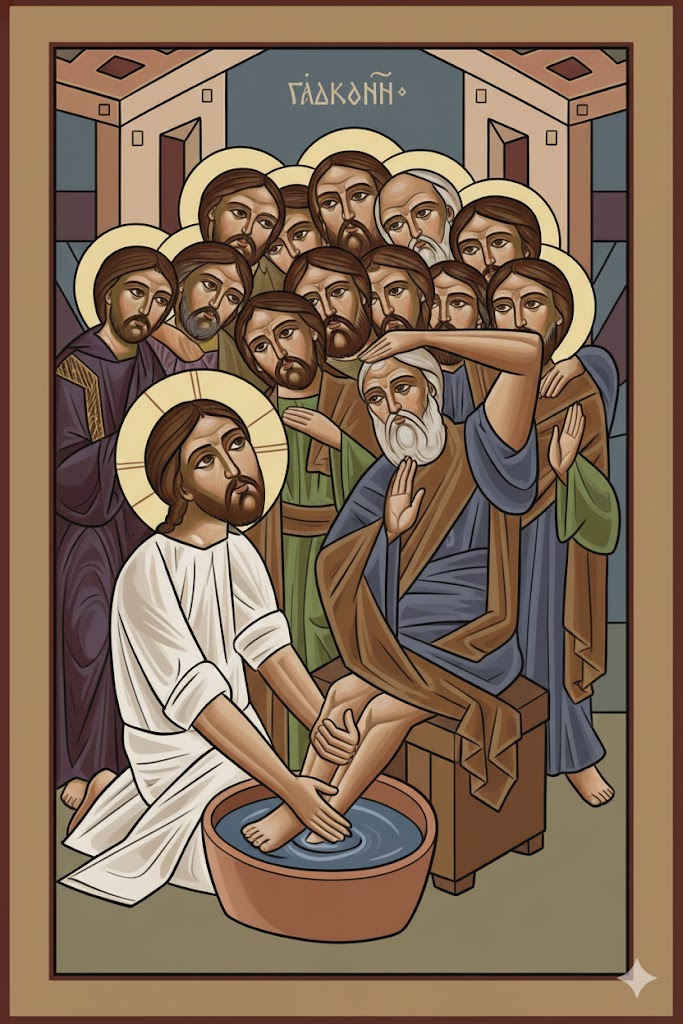
A beautiful image of the Church is Christ sitting down to wash His disciples' feet. Therefore, the Church's mission is to wash the feet of the world. This means the church serves everyone by covering and washing their mistakes, sharing their pain and suffering, and preaching the good news of God's love.
Scripture Reference
1 Timothy 3:15,16
Before discussing the Church further, I would like to share some insights from an Orthodox bishop. He states: "First, we should recognize that an experience of God is attainable; second, that this God was revealed definitively in Jesus of Nazareth; and third, that He continues to make Himself known through the life of His Church".
Our Salvation
It is only within the Church that we can truly live out our salvation and foster our relationship with God in Christ through the Holy Spirit.
Godliness
And without controversy great is the mystery of godliness: God was manifested in the flesh, justified in the Spirit, seen by angels, preached among the Gentiles, believed on in the world, Received up in glory.
The Coptic Orthodox Church: History and Definition
The Coptic Orthodox Church has been present in Egypt since 60 A.D., established after Saint Mark the Apostle, one of Christ's disciples, arrived to preach Christianity.
Derives from the Greek Aigyptos, which itself comes from the Egyptian Kemet. This ancient word means "black" or "dark," referencing the rich, dark soil deposited annually by the Nile flood.
Formed from ortho ("straight") and doxa ("glorification"). Understanding it as "the straight way of glorifying God". As Saint Athanasius put it, "Orthodoxy is what Christ taught, the Apostles preached, and the Fathers kept".
Characteristics of the Coptic Orthodox Church
1. Biblically Founded
The Coptic Orthodox Church is deeply rooted in the Bible. Our faith is founded on scripture and as mentioned earlier, was established by Saint Mark the Apostle, who wrote the second Gospel. In every Divine Liturgy, we read seven different passages from the Bible.
"In that day there will be an altar to the Lord in the midst of the land of Egypt, and a pillar to the Lord at its border" (Isaiah 19:19).
2. Patristically Influenced
Our Church is also "patristic," meaning it is built upon the teachings of the Church Fathers. These include the Apostolic Fathers, disciples of the original disciples, along with other Church Fathers up to the 4th century, who were instrumental in articulating the Church's dogma and theology.
Think of figures like Saint Athanasius and Saint Cyril; their influence on Christianity is still evident today. Following them, other Church Fathers continued to explain and clarify the faith and theology of the Church.
3. Sacramentally Based
To share in Christ's salvation, the Church believes we must be initiated into the body of Christ through the sacraments.
Baptism
In Baptism, we are born again; we die and rise with Christ, experiencing a "new birth by water and the Holy Spirit" into the Kingdom of God (John 3:5). Through immersion, the baptized person dies to this world and is reborn into eternal life through Christ's resurrection.
Chrismation
Following Baptism, we receive the holy anointing, or Chrismation. This sacrament is about receiving the Holy Spirit, who helps us on our earthly journey, just as Jesus taught: "The Helper, the Holy Spirit, whom the Father will send in My name, He will teach you all things, and bring to your remembrance all things that I said to you" (John 14:26).
The Holy Communion (Eucharist)
The Eucharist, or Holy Communion, is the mystery of God's love for us. Every time we attend the liturgy and receive communion, we are united with God and with one another. This happens during the liturgy, or mass, where we gather to pray, read scripture, give thanks to God, and conclude by receiving His precious gifts on the Altar: His Holy Body and Precious Blood.
The Priesthood
The sacrament of the priesthood is the mystery that brings Christ's presence to His people. The bishops, priests, and deacons of the Church have no other purpose than to make Christ's presence and action manifest to His people. They are not barriers between God and people; rather, they are like a bridge, helping people reach God.
Other Sacraments
We have three other sacraments in the Church: confession and repentance, marriage, and the unction of the sick. Every interaction with God is a sacrament and a mystery.
The Coptic Faith: The Good News
God is Love
Saint John writes in his first epistle, "God is love, and he who abides in love abides in God, and God in him" (1 John 4:16). God simply is love! Unconditional Love!
The Incarnation
"The word became flesh and dwelt among us" (John 1:14). Here we see that God is not separate from humanity; He took on our human nature, becoming human like us to save us and to share our pain and suffering. As Saint Paul mentions, "For we do not have a High Priest who cannot sympathize with our weaknesses, but was in all points tempted as we are, yet without sin" (Hebrews 4:15).
Christ is Risen
His resurrection opened the way for us to have eternal life in Him, as we are in Christ. Therefore, His resurrection is our resurrection. Saint Paul assures us of this reality by saying, "But God, who is rich in mercy, because of His great love with which He loved us, even when we were dead in trespasses, made us alive together with Christ (by grace you have been saved), and raised us up together, and made us sit together in the heavenly places in Christ Jesus" (Ephesians 2:4-6). That is why Christians do not fear death because of Christ's resurrection!
Truth and Freedom
For us, truth is the person of Christ, as He Himself said, "I am the way, the truth, and the life" (John 14:6). The Church's declaration of truth brings freedom: "And you shall know the truth, and the truth shall set you free" (John 8:32).
Continue Your Journey
Explore deeper teachings through the next catechetical topics.
Previous Topic Next Topic Back to Home